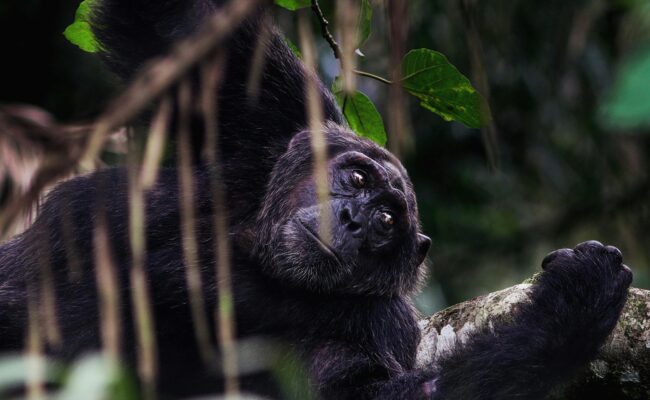
There are very few wildlife encounters left on Earth that can genuinely be called life-changing. Locking eyes with a 200kg silverback mountain gorilla in the misty undergrowth of Bwindi Impenetrable National Park is one of them. Uganda is home to roughly half of the world’s remaining mountain gorillas, and Bwindi — a UNESCO World Heritage Site in the country’s misty southwest — is where most travelers come to meet them.
Why Bwindi?
Bwindi is an ancient rainforest, over 25,000 years old, draped across a steep, folded landscape on the edge of the Democratic Republic of Congo border. Its name is no accident — “impenetrable” describes the dense, tangled vegetation that gorilla trackers and tourists alike must push through. The park shelters more than 25 habituated gorilla families spread across four trekking sectors:
- Buhoma (North): The original, classic sector — gentler trails, established luxury lodges, and the easiest access from Kampala via Kihihi or Kisoro airstrips.
- Ruhija (East): Higher altitude, cooler air, and a favourite among birders thanks to its proximity to the Albertine Rift forest.
- Rushaga (South): The largest concentration of habituated families and the only sector offering the Gorilla Habituation Experience.
- Nkuringo (South): Dramatic ridge-top views, but the steepest and most physically demanding trails.
What a Trekking Day Looks Like
Trekking days begin at 7:00–8:00am with a briefing at the park headquarters of your assigned sector, where rangers explain rules, safety procedures, and what to expect. Trackers who left at dawn radio back the gorillas’ overnight location, and your group — a maximum of eight tourists per family — sets off with armed rangers and guides. The hike itself can take anywhere from 30 minutes to a full day, over steep, slippery, and densely vegetated terrain, depending on where the family has wandered. Once you find them, you are allowed exactly one hour in their presence, kept at a minimum 10-metre distance under the park’s 2026 health protocols designed to protect the gorillas from human respiratory illness.
For travelers wanting more, the Gorilla Habituation Experience (GHEX), available only in the Rushaga sector, extends that encounter to four hours with a semi-habituated family alongside researchers and trackers — a rarer, deeper, and considerably pricier alternative to the standard trek.
Permits and Pricing (2026)
Gorilla permits are issued exclusively by the Uganda Wildlife Authority (UWA) and, as of March 2026, must be booked and paid for in full through a licensed Ugandan tour operator — the old system of holding a permit for seven days without payment has been scrapped. Current indicative pricing:
- Foreign non-residents: US$800 per person (standard trek)
- Foreign residents: US$700
- East African Community citizens: a heavily discounted local rate
- Low season (April, May, November): discounted non-resident permits around US$600, though these are non-reschedulable
- Gorilla Habituation Experience: roughly US$1,500–1,800 per person
Because pricing and booking rules are revised periodically by UWA, always confirm current rates with a licensed operator before paying.
Best Time to Go
Gorilla trekking happens year-round, but the dry seasons — June to September and December to February — offer firmer trails and easier hiking. The wetter months of April, May, and November bring muddier conditions but fewer crowds, lusher forest, and discounted permits, making them a smart choice for budget-conscious or experienced hikers.
Beyond the Permit: Practical Tips
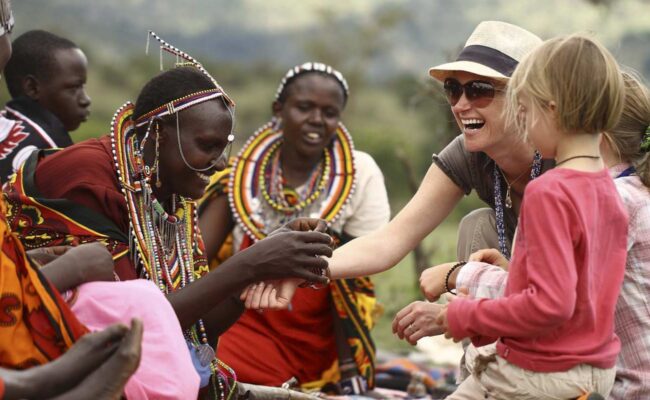
- Fitness matters. Trails are steep and uneven; a reasonable level of fitness is essential, though porters (around US$15–20) can carry your bag and steady you on climbs — and directly support local Bakiga and Batwa families.
- Pack right. Waterproof hiking boots, gardening gloves (for grabbing vegetation, not branches with thorns), long sleeves, rain gear, and a hat are non-negotiable.
- Children under 15 are not permitted to trek.
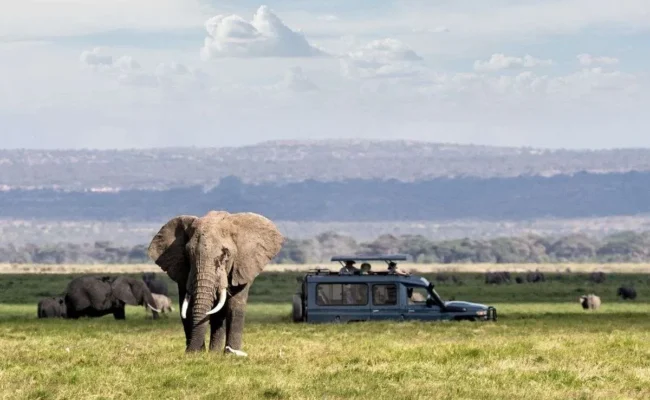
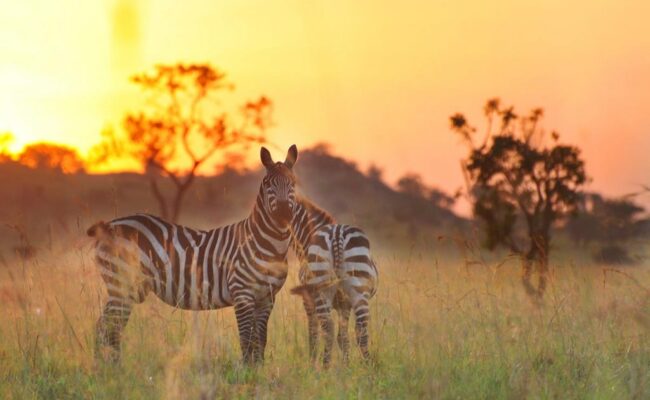
- Combine your trip. Bwindi pairs naturally with Lake Bunyonyi for relaxation, or with Queen Elizabeth National Park for a broader wildlife safari.
A Conservation Story Worth Joining
A significant share of every permit fee is reinvested into the communities bordering Bwindi, funding schools, clinics, and former-poacher-turned-ranger employment schemes. Choosing to trek gorillas in Uganda isn’t just a bucket-list moment — it’s a direct, tangible contribution to one of conservation’s great comeback stories. Mountain gorillas were once predicted to go extinct by the end of the 20th century; today, thanks largely to tourism revenue, their numbers are slowly climbing.
For travelers willing to make the journey into Bwindi’s green cathedral, the reward is an hour that rarely fades from memory — and a forest well worth protecting for the next generation of trekkers.

 English
 Dutch
Dutch Japanese
 Korean
 Chinese