With over 1,060 recorded bird species packed into a country roughly the size of the United Kingdom, Uganda holds one of the highest bird counts of any country on Earth — more than the whole of South Africa, despite being a fraction of its size. For birders, this density, combined with Uganda’s position straddling both East and Central African biomes, makes it one of the most rewarding — and most underrated — birding destinations on the planet.
Why Uganda Is a Birding Superpower
Uganda sits at a unique ecological crossroads: savannah species typical of East Africa overlap here with the lush, endemic-rich forest species of the Albertine Rift, one of Africa’s most important centres of bird endemism. This convergence means a single trip can deliver both open-plains raptors and elusive forest specials that exist almost nowhere else in the world.
The Shoebill: Uganda’s Star Bird
No bird draws international birders to Uganda quite like the shoebill stork — a prehistoric-looking, grey, stork-like bird with a massive hooked bill, found in papyrus swamps and considered one of the most sought-after sightings in all of African birding. Mabamba Swamp, just a short boat ride from Entebbe, offers some of the most reliable shoebill viewing on the continent, alongside the Nile Delta area of Murchison Falls and several other wetland sites.
Top Birding Destinations
- Mabamba Swamp: The closest and most reliable site for shoebill, easily combined with an Entebbe stopover at the start or end of a trip.
- Bwindi Impenetrable Forest: Albertine Rift endemics including the Africa green broadbill and several rare turacos, alongside gorilla trekking.
- Queen Elizabeth National Park: Over 600 species recorded, ranging from savannah raptors to Kazinga Channel waterbirds.
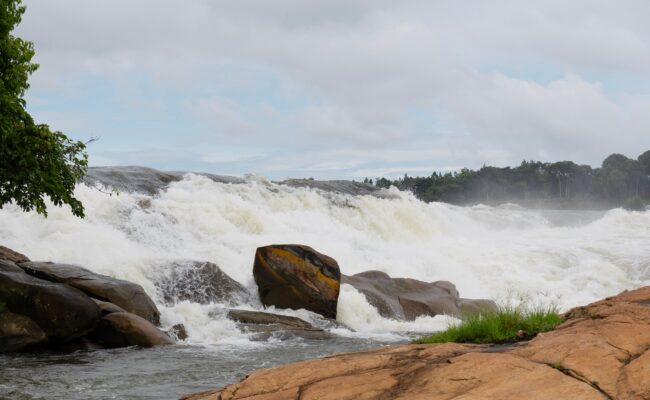
- Murchison Falls National Park: Shoebill, Goliath heron, and a wide range of riverine and savannah species along the Nile.
- Semuliki National Park: A lowland extension of the Congo Basin rainforest, home to species found nowhere else in East Africa.
- Mgahinga and the Bwindi highlands: Home to the rare and beautiful Rwenzori turaco and a host of high-altitude forest specials.
- Kibale Forest: Excellent forest birding alongside chimpanzee tracking, including the great blue turaco.
Best Time for Birding
Uganda offers strong birding year-round, but the dry seasons (December–February and June–September) make access easier, while the wetter months bring an influx of Palearctic migrants between November and April, boosting species counts even further for visitors timing their trip around migration.
Planning a Dedicated Birding Itinerary
Serious birders typically combine several of these sites into a focused circuit — Entebbe and Mabamba for shoebill, then west to Kibale and Queen Elizabeth, finishing in Bwindi for Albertine Rift endemics — often achieving species counts well into the 400s or 500s across a two-week trip. Specialist local bird guides, several of whom rank among the most respected on the continent, are widely available and dramatically increase both the species count and the quality of sightings.
Why Uganda Belongs on Every Birder’s List
For travelers chasing both volume and rarity, Uganda offers a combination few countries can match: an extraordinary total species count, genuine Albertine Rift endemics unavailable elsewhere, the legendary shoebill within easy reach of the capital, and the flexibility to layer world-class birding on top of gorilla trekking, chimpanzee tracking, or a classic savannah safari — all within one compact, accessible country.

 English
 Dutch
Dutch Japanese
 Korean
 Chinese