If Bwindi is Uganda’s primate showcase, Queen Elizabeth National Park is its big-game stage. Sprawling across nearly 2,000 square kilometres in western Uganda, between the Rwenzori Mountains and Lake Edward, this park is famous for one thing tourists travel the world hoping to see: tree-climbing lions.
The Tree-Climbing Lions of Ishasha
In the remote Ishasha sector of the park, lions have developed the unusual habit of lounging in the branches of fig and acacia trees during the heat of the day — a behaviour seen in only a handful of places on Earth, most famously here and in Tanzania’s Lake Manyara. Game drives through Ishasha give visitors a genuine chance of looking up rather than out to spot a lion draped over a branch like a sleeping house cat, twenty times its size.
A Park of Many Ecosystems
Queen Elizabeth’s appeal lies in its sheer diversity of habitat packed into one park:
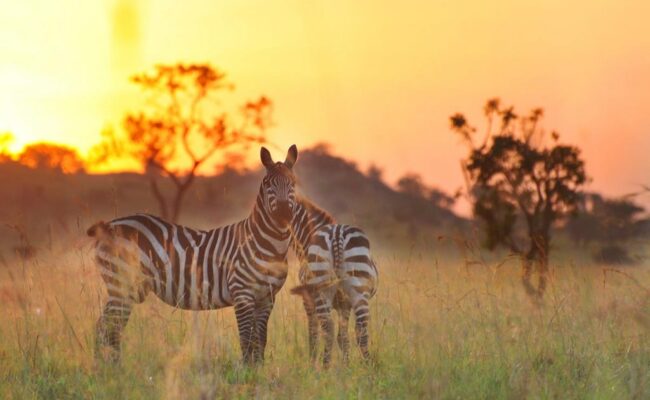
- Kasenyi Plains: Open savannah teeming with Uganda kob, buffalo, elephant, and the lions that hunt them — the best area for a classic game drive.
- Kazinga Channel: A 32km natural channel linking Lake George and Lake Edward, and one of Africa’s most rewarding boat-cruise locations, where hippos, crocodiles, buffalo, and elephants gather along the banks in numbers rivalled by few other waterways on the continent.
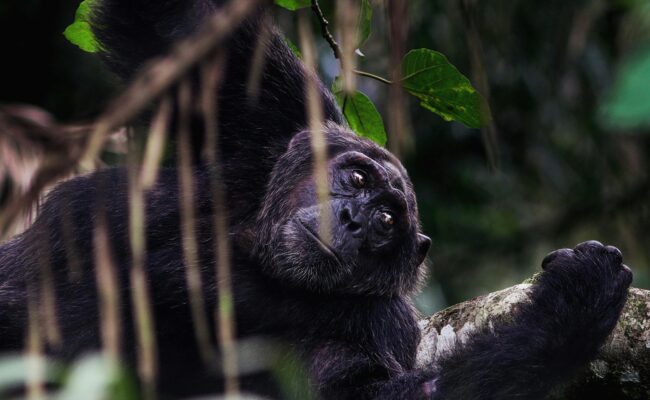
- Kyambura Gorge: A steep, forested rift valley gorge nicknamed the “Valley of Apes,” home to a habituated chimpanzee community that can be tracked on foot.
- Maramagambo Forest: Tropical forest trails leading to bat caves and a chance of forest birds and primates.
What You Can See
Queen Elizabeth holds an extraordinary species count for its size — over 95 mammal species and more than 600 bird species, making it one of the richest birding parks in Africa. Visitors regularly encounter elephants, buffalo, Uganda kob, waterbuck, leopard, hyena, and, with luck, the elusive tree-climbing lions. The launch cruise along the Kazinga Channel is often described as the single best wildlife-viewing activity in the park, rivalling any game drive for sheer concentration of animals.
Suggested Activities
- Morning and afternoon game drives in Kasenyi and Ishasha
- Kazinga Channel boat cruise — typically 2 hours, best at mid-morning or late afternoon when animals come to drink
- Chimpanzee trekking in Kyambura Gorge — a shorter, more affordable alternative to Kibale Forest
- Guided nature walks in Maramagambo Forest
- Cultural visits to nearby Ugandan and Congolese-border fishing villages along Lake Edward
Best Time to Visit
Queen Elizabeth National Park is a year-round destination, but the dry months (June–September and December–February) offer the easiest game viewing as animals concentrate around remaining water sources. The wetter months bring lush green scenery and excellent birding, with migratory species arriving between November and April.
Getting There
The park is roughly a 5–6 hour drive from Kampala or Entebbe, making it easily combinable with Bwindi (about 2–3 hours further south) for travelers building a longer southwestern circuit. Scheduled light-aircraft flights also connect Entebbe to airstrips at Mweya and Kasese for those short on time.
Where to Stay
Accommodation ranges from mid-range lodges overlooking the Kazinga Channel to luxury tented camps in Ishasha offering front-row views of the savannah. Many properties are positioned to allow guests to spot game from their own verandas, with hippos and buffalo a common nighttime soundtrack.
Why It Belongs on Your Itinerary
Queen Elizabeth National Park rewards travelers who want the classic safari experience — lions, elephants, hippos, and sweeping savannah views — without sacrificing the chance to also trek primates and explore dramatic rift valley scenery, all within a single, compact park. Paired with a Bwindi gorilla trek, it forms the backbone of Uganda’s most popular and most rewarding safari circuit.

 English
 Dutch
Dutch Japanese
 Korean
 Chinese